Stop living on autopilot. Pinpoint your power leaks with the 7-minute Power Shift Diagnostic™ QUIZ!


Your past has been driving your life.
It's time to
take the wheel.
From toxic relationship recovery to professional breakthroughs, SHIFTING GEARS gives you the power moves you need to create a life that reflects who you are—
not what you've survived.
Book Dana to Speak at Your Event
Identify the Glitch in Your System.
Take the 7-minute Power Shift Diagnostic™ QUIZ
to discover the hidden patterns driving your decisions—
and get your personalized roadmap to get back on track.
Remember who you were before the world convinced you to forget.
It's not about what broke you.
It's about the mindset that rebuilds you.
As someone who suffered decades of narcissistic abuse and domestic violence, I used to call myself 'broken.' This belief carried into every area of life—relationships, work, my sense of self.
What I came to realize is that none of us are ever 'broken'—we've just been conditioned to disconnect from ourselves.
But that's not who we are. It's who we had to be to survive.
Now that I've reclaimed my authentic self, I am sharing all the insight and information that helped me, to help YOU rebuild trust in yourself, set boundaries without guilt, and move through life with more clarity and confidence than ever before!💕

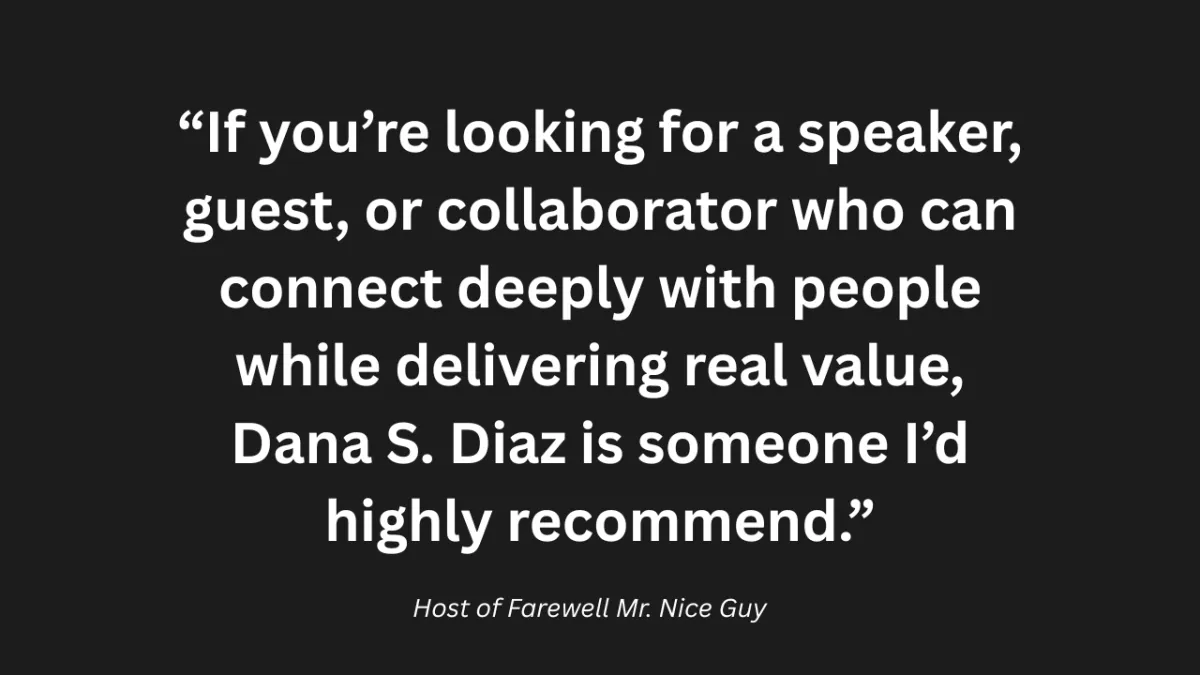


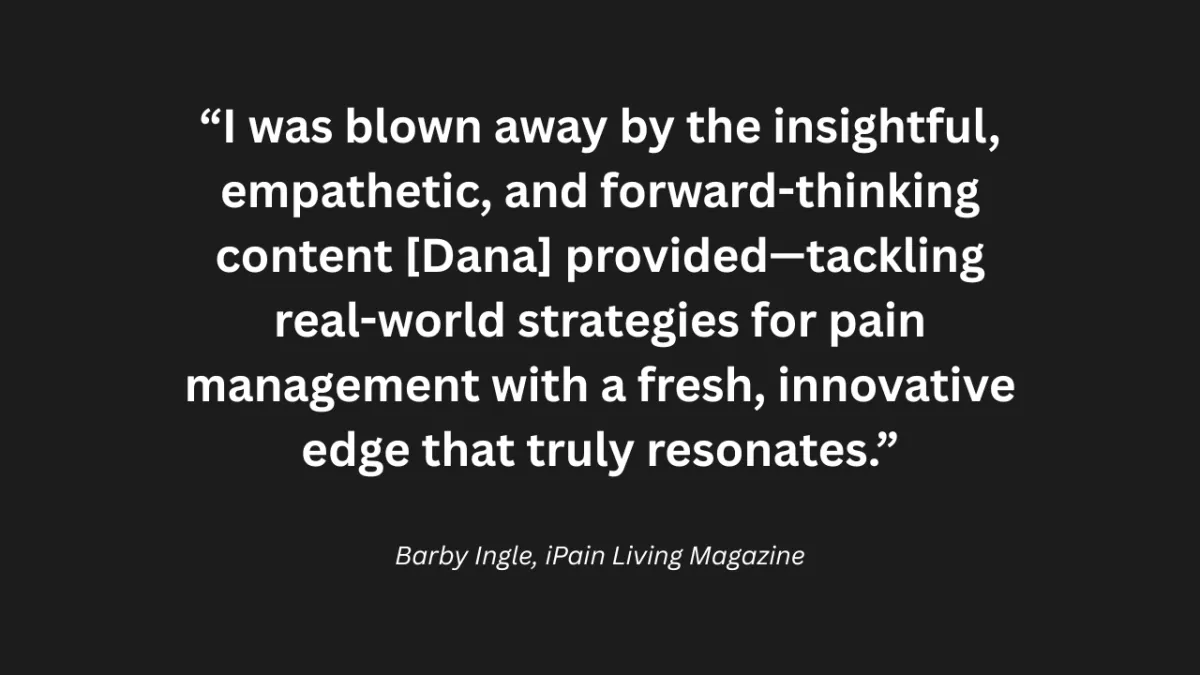


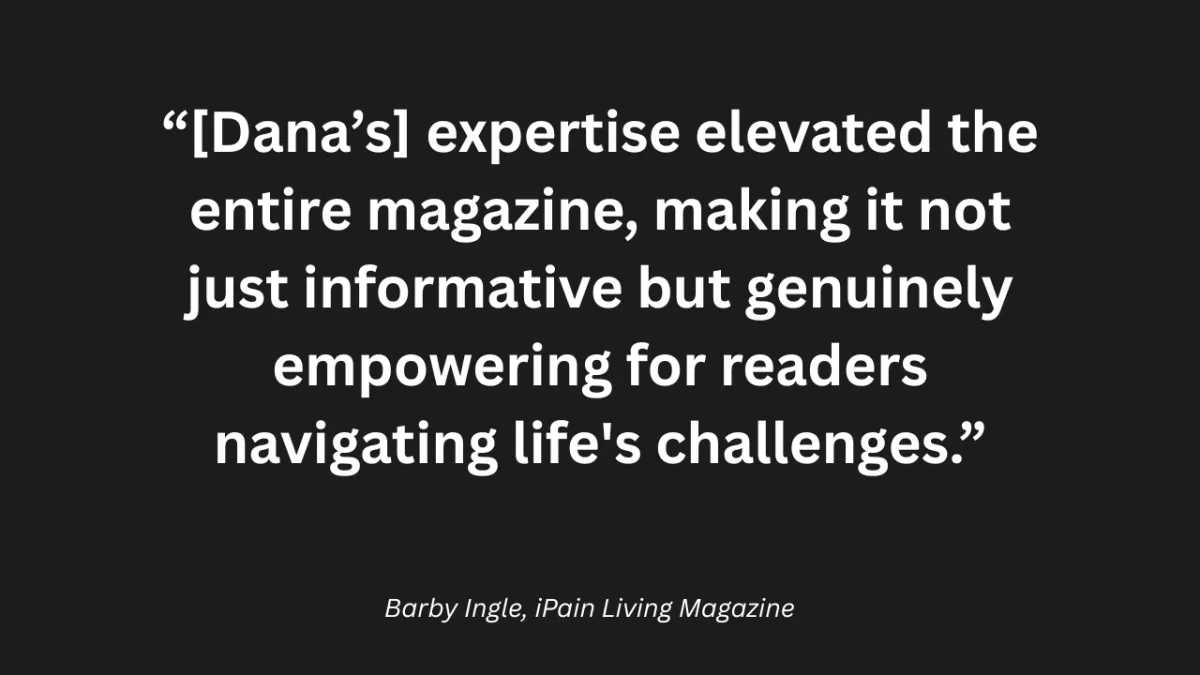




Follow Dana’s personal journey through her memoir trilogy
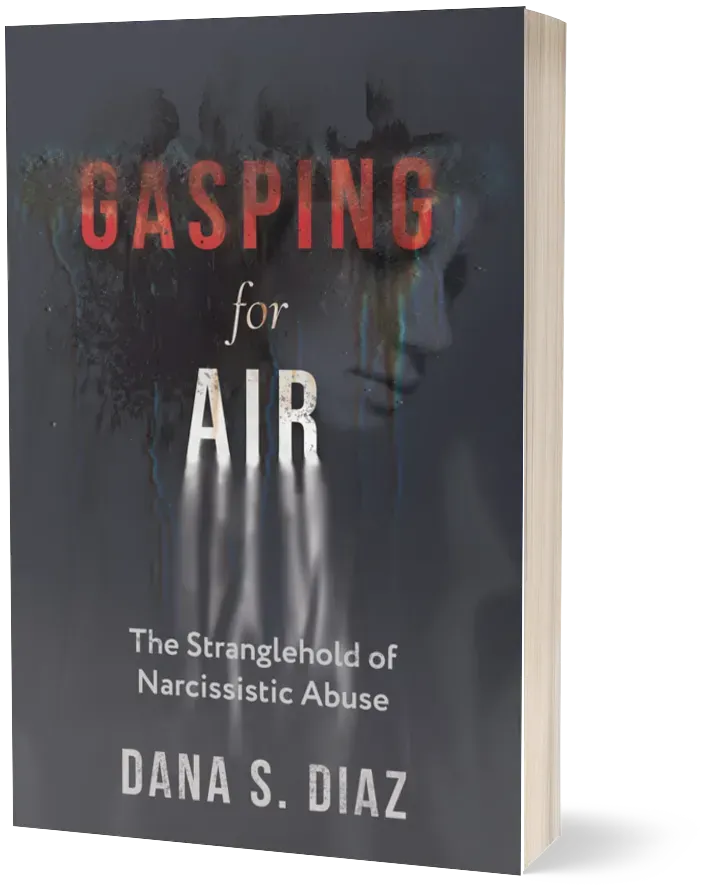
Gasping for Air: The Stranglehold of Narcissistic Abuse
Dana’s best-selling and award-winning debut memoir that tells the true story of her life with a narcissistic partner and the abuse she endured. Spanning from early red flags to the courage it took to finally escape, Gasping for Air pulls back the curtain on the very real and insidious nature of narcissistic abuse and shows victims that anyone can be lured into the complex lair of lies, deceit, and betrayal.
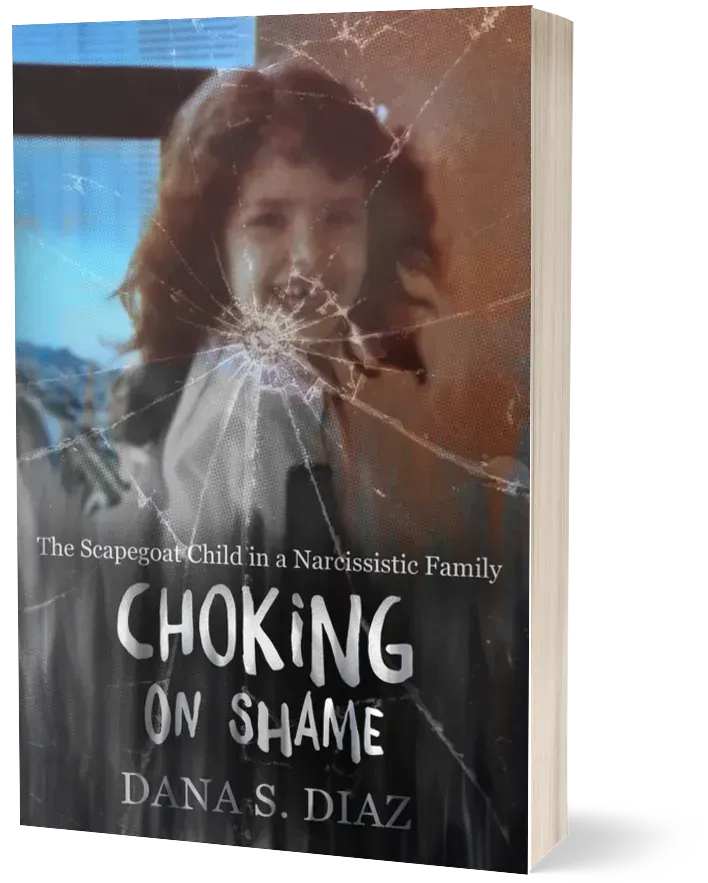
Choking on Shame: The Scapegoat Child in a Narcissistic Family
The prequel to Gasping for Air, which delves into Dana’s tumultuous childhood, exposes how growing up with abuse and trauma set the stage for accepting toxic relationships later in life. This #1 New Release is a courageous look at the childhood wounds behind the shame – and how understanding those early injuries is key to breaking free from the toxic cycles and generational trauma.
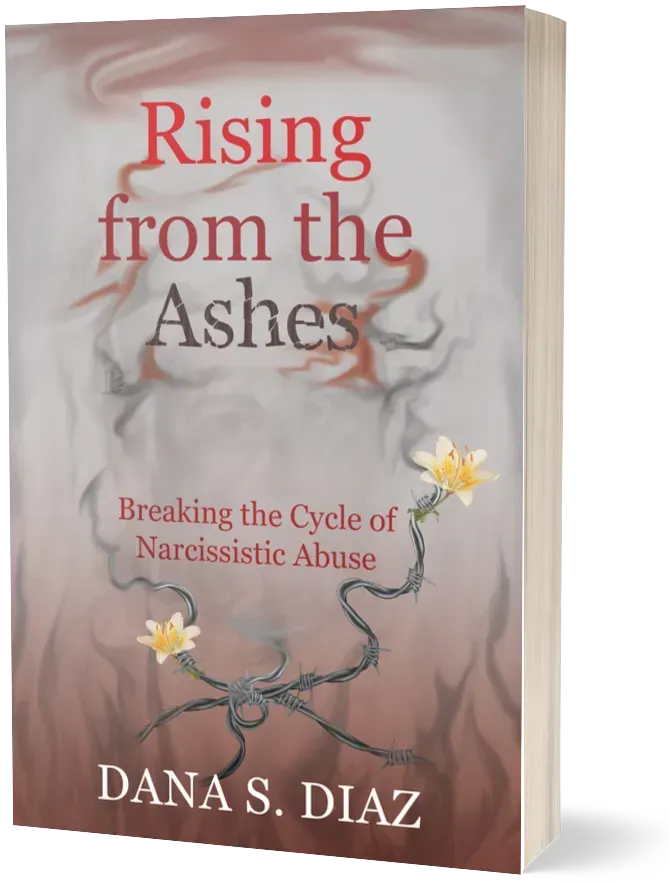
Rising from the Ashes: Breaking the Cycle of Narcissistic Abuse
In the final book of her memoir trilogy, Dana attempts to rebuild her life from the devastation of divorce and abuse. Facing rejection and opposition everywhere she turns, Dana is forced to confront the devastating reality of toxic family systems, and her own crippling beliefs in her unworthiness of love and acceptance. Through a journey of self-discovery, healing, and empowering revelations, Rising from the Ashes is a heart-wrenching and triumphant testament of one woman's persistence to emerge from the darkness of the past, stronger than ever.
Want a PREVIEW before you commit?
Download the first two chapters of Gasping for Air – free
Get a powerful glimpse into Dana’s story of survival, awareness, and healing.
Who I Work With



Why Dana?
Survivor & Advocate: Dana isn’t just talking about overcoming narcissistic abuse – she’s lived it. With decades of firsthand experience, she speaks with authenticity and empathy about surviving narcissists, from a painful childhood to a toxic marriage.
Bestselling / Award-Winning Author: As the author of Gasping for Air: The Stranglehold of Narcissistic Abuse, Dana shines a light on the hidden realities of emotional and psychological abuse. Her memoir – inspired by her own life – became a #1 bestseller, validating countless readers and bringing awareness to covert abuse. trauma.
Inspirational Speaker: Dana has quickly become a sought-after speaker for conferences, corporations, and community groups. She has been featured on nearly 300 podcasts and media interviews worldwide, sharing her story and insights with audiences around the globe. Event organizers praise Dana’s warm, engaging style, raw relatability, and actionable takeaways.
Empowering Identity Strategist: In addition to speaking, Dana offers self-guided and supported courses that provide practical tools and heart-centered guidance for rebuilding self-worth, setting healthy boundaries, and aligning time and energy towards the life you truly want and the version of yourself just waiting to live it.
The Real Obstacle
The issue isn’t talent, intelligence, or opportunity.
The biggest challenge faced by individuals
and teams
is internal:
self-limiting beliefs.
They crush confidence, block creativity, and keep people
playing it safe and small.
Why Dana
With certifications in Emotional and Positive Intelligence
Over two decades leading top sales teams and helping hundreds of people
Dana turns EQ into a powerful tool
for leadership, growth, and success.
The Power Shift
After hearing Tara speak, audiences don’t just leave inspired
they leave empowered.
They walk away with tools they can use right away to lead more
effectively, communicate with clarity,
and show up with confidence. Dana delivers relatable stories,
real-world strategies, and actionable
insights that stick.
A Speaker that disrupts what you believe and empowers you with the truth to excel!
Dana S. Diaz is the speaker that curates the Power within through unflinching truth.

Deep down, you know there’s something bigger waiting for you.
You’ve got an amazing idea one that people need but you’re not sure how to take the first step.
With the right strategy and a coach who’s been there, you know you could build something powerful. You don’t want to waste time (or money) chasing methods that don’t work you want a proven path.
You’re ready to learn what it really takes to start and grow a successful business that lasts.


Looking for a Dynamic Expert Podcast Guest?
Dana S. Diaz is not only a powerful speaker—she’s also an exceptional podcast guest. With over 300 interviews to date, Dana brings clarity, compassion, and credibility to every conversation.
Whether you're producing a podcast on mental health, women's empowerment, trauma recovery, mindset or relationships, Dana offers a voice that’s both authoritative and relatable. The trauma made her funny, too!
Topics Dana can speak to:
How women are conditioned to disconnect from their authentic selves
How subconscious beliefs carry into every aspect of life
Narcissistic abuse and toxic relationships
Breaking patterns that sustain cycles
Childhood trauma and toxic family systems
Rebuilding self-worth and identity, especially under pressure
How I Help

Courses
Neuroscience-based programs designed to help you take back your life

Group Program
A personalized & powerful 6-week experience for those wanting results and support

Expert Contributor
Insights & tips from the perspective of someone with lived experience

Keynote Speaker
Dynamic & Compassionate, encouraging & empowering
Your Perspective Isn't My Truth: When Assumptions Become Conclusions
We all interpret what we see, hear, and experience through our own unique frame of reference—one shaped by everything we have seen, heard, believed, and experienced before.
Those different perspectives can lead to wondrous insights. They allow us to learn from one another, create collaboratively, challenge our thinking, and grow as individuals.
But what happens when someone’s perspective leads to harmful behavior?
Someone reads or hears something. They assign meaning to it based on their own frame of reference. They make judgments about the person who said or wrote it. Then, without exploring that person’s intention or inviting an explanation, they decide their interpretation justifies treating that person accordingly.
That’s where perspective can become dangerous.
Our brains don’t experience reality as some pristine, objective recording. They interpret incoming information through existing beliefs, expectations, memories, emotions, and previous experiences.
And once we form an interpretation, confirmation bias can make us more likely to notice information that supports what we already believe while discounting information that contradicts it.
So:
Something happens → I interpret it → I believe my interpretation → my belief influences my behavior → my behavior affects someone else.
That behavior might include:
Publicly criticizing someone
Excluding them
Gossiping
Spreading rumors
Retaliating
Leaving a nasty review
Sending an accusatory or provocative message
Convincing others to dislike someone
Encouraging others to participate in harmful behavior
When our interpretation begins producing consequences in somebody else’s life, I think we need to ask a bigger question:
At what point does perspective become responsibility?
My answer?
When we act upon it.
We’re entitled to our perceptions.
We’re entitled to our feelings.
We’re entitled to our opinions about other people and about the things they say and do.
We’re even entitled to decide we no longer want a relationship with someone—even if that person is family.
But the moment we begin doing something to another human being based on an assumption about who they are, what they believe, or what we believe they intended, our responsibility for our own conduct increases.
Especially when we could have simply asked:
“What did you mean?”
Or:
“Can we talk about what you said—or what you wrote?”
Having a mature conversation doesn’t require agreement. It doesn’t require forgiveness, acceptance, reconciliation, or even a continued relationship.
It simply creates respectful space for both people to provide context, ask questions, and share their truth.
But too often, curiosity never gets the chance.
I’ve watched people—including people I know and love deeply—become so consumed by offense, judgment, or even someone else’s perceived downfall that they manufacture entire realities from incomplete information.
And once they decide that reality is true, they begin behaving according to the reality they invented.
They withdraw.
They become cold.
They retaliate.
They gossip.
They overexplain.
They people-please.
They end relationships.
They decline invitations.
They attack.
They defend.
Sometimes, our reaction even creates a reaction in the other person that appears to validate the very assumption we started with.
And around we go.
Because our behavior doesn’t happen in a vacuum.
Every action has the potential to create a reaction—and some of those reactions we will never see.
We cannot possibly know everything another person is carrying.
We don’t know what someone is questioning about themselves.
We don’t know whether they’re struggling with belonging, confidence, self-worth, loneliness, anxiety, depression, grief, or something they’ve told absolutely no one about.
That does not mean we are responsible for another person’s mental health.
And it certainly doesn’t mean we should walk through life terrified that saying the wrong thing will somehow damage another human being.
But when our actions are deliberately intended to hurt, humiliate, isolate, punish, or destroy another person, “That’s what I believed” is not a free pass from accountability for our own behavior.
Words and actions can have consequences we may never fully see.
And that matters.
So, are we responsible for the outcome of every action we take?
No.
We cannot control how another person interprets our words.
We cannot control how another person feels.
We cannot control what another person chooses to believe about themselves—or about us.
But we are responsible for our own conduct.
Regardless of what you believe…
Regardless of what somebody told you…
Regardless of what somebody else has said or done…
YOUR integrity, YOUR character, and YOUR morality are demonstrated by what YOU choose to do.
And guess what?
➡️ Just because you believe something DOESN’T MAKE IT TRUE.
➡️ Just because someone you trust tells you something DOESN’T MAKE IT TRUE.
➡️ Just because everyone else has decided to believe something DOESN’T MAKE IT TRUE.
So let curiosity come before conviction.
Ask a few questions before turning an interpretation into a so-called truth.
And before you treat another human being according to something you think you know, consider whether you actually know it at all.
Because…
Perspective becomes dangerous when we mistake it for truth. 😵
💻 Ready to Question What You’ve Been Calling “Truth”?
Your beliefs shape the way you interpret what happens around you—and those interpretations influence the choices you make, the boundaries you set, the relationships you build, and ultimately, the life you create.
So maybe it’s time to get curious about what’s been driving you.
START THE SHIFT — SHIFTING GEARS Jumpstart ($47)
A fast, actionable reset to help you recognize what’s been driving you, strengthen your boundaries and confidence, and start making more conscious choices.
DEEPEN THE SHIFT — SHIFTING GEARS Power Up ($497)
A deeper self-guided transformation to rewrite the beliefs driving your patterns, strengthen self-trust, and intentionally become the person capable of creating the life you actually want.
Because the most important perspective you may ever question is the one you’ve been using to define yourself.
Explore SHIFTING GEARS and choose where you want to begin.


What others are saying
TESTIMONIALS
A story of strength and overcoming fear and finding self worth! This book was very well written and demonstrated a story I have seen several friends and family go through. The isolation from family and friends, the verbal and physical abuse or even just belittling and loss of self worth. Seeing how the author over comes and find her strength. How after time, she had a great friend who was there waiting. Finding real love with a supportive and caring man and being willing to open up and take a chance to love. I hope many women read this and see it can be anyone and help loose the stereotype and blame, to find ways to prevent this from happening to friends and family or even themselves! A recommended read for all!

AMAZING!!! A MUST READ!!! I couldn’t put the book down! If I didn’t have to work or do life, I would’ve read this cover to cover without stopping. It’s such a well-written, beautifully horrifying story. Dana is honest, raw, and shares intimate details of her relationship that anyone can relate to who has been in a narcissistic relationship. She reminds us of the subtle signs of this behavior that are so easy to overlook and justify when you’re first in it - and then making it hard to leave years down the road -especially when there is a kid involved. I love that the chapters are song titles. There is so much creativity, brutal honesty, and even some humor in this book that make it an easy read. I recommend this book for everyone! Even if you haven’t been with a narcissist, it’s good to know the subtle signs of this behavior and often we encounter people like this in our lives at work and in other situations. I’m going to purchase more books and give them to the people I love that I know would benefit from reading them. Thank you, Dana for sharing your story with us!!
Riveting Truth Here! Dana Diaz is profoundly brave and on a mission in this lifetime. Her book, Gasping for Air took me on a ride that I could relate to through her honest portrayal of what it is like to walk through fire and come out in one piece. Diaz's tempo and pivotal truth-telling uncover realities in living we often hide behind, deny or become desensitized enough to think they are normal. She has stepped up repeatedly to take a ride through hellish hallways all to share with her readers the truth behind abuse and narcissism. Brava, Dana Diaz for dropping the curtain to unveil the cold and brutal truth of a system that is eating humanity from the inside out. And I can't wait for the prequel. Thank you, thank you, thank you!
Definitely a MUST read!!! This book grasped my attention from the beginning and I couldn't put it down! Very well written, as it walks you through the experience of an abusive relationship and its toll on everyone involved. This book gave me an enlightened understanding of what victims go through when under the control of a narcissistic personality. Not only was this a great portrayal of how manipulation and control can affect a family, it also gives a heightened awareness as to how it weighs on an individual to the point of trauma induced health issues. Hopefully, this story will be helpful to others in similar situations. Great job Dana!
Very good read. Dana is a great author and knows how to grab the reader. Finished this book in only a few days and can’t wait for the next one!
A great read! I loved this book! Such an important and painful topic, written with such honesty and compassion. I couldn’t stop reading it and rooting for Dana! I have an adult daughter and will be giving her this book. I hope Dana’s well-written reflections of her experiences will help shed light on the warning signs of a relationship with a narcissist. The stories of helplessness, love, optimism and persistence should resonate with every woman of every age!

FOLLOW DANA


COMPANY
Copyright 2026. Privacy policy. Dana S Diaz. All Rights Reserved.